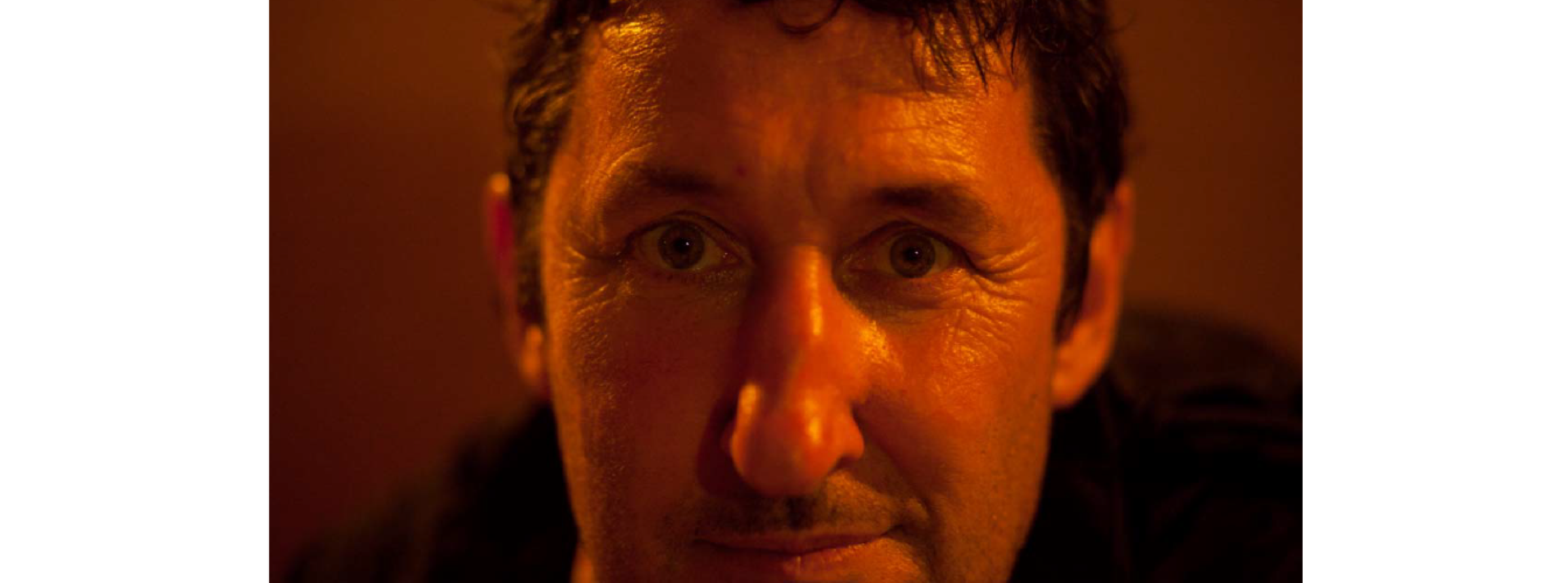
Interview mit Michael Gautsch – Produzent
Wann ging es mit den Dreharbeiten los?
Wir sind im Juli 2012 nach La Palma geflogen. Die Regisseurin und Darstellerinnen hatten eine Woche Zeit, um sich kennenzulernen und zu proben, während meine Mitarbeiterin und ich uns um die Drehorte und den spanischen Cast kümmerten. Eine Woche später begannen dann die Dreharbeiten.
Das heißt, zwischen der ersten Idee zum Film und dem Kinostart von „Ungesagt“ liegen mehr als vier Jahre. Wieso mussten wir so lange warten?
Filme haben fast immer eine mehrjährige Entstehungszeit, jedenfalls dann, wenn sie für das Kino gemacht werden. Andere Produktionen, die mithilfe von Staatsfilmförderung produziert werden, haben eine lange Vorlaufzeit. Da kann es schon mal zwei bis drei Jahre dauern, bis die Finanzierung komplett ist. Wir konnten sofort anfangen zu drehen, als das Drehbuch fertig war, brauchten dann aber Zeit, um den Film selbst fertig zu finanzieren. Ich glaube auch, dass es für Filme wie diesen, der einen aktuellen gesellschaftlichen Bezug hat, wichtig ist, dass man sich das Erscheinungsdatum gut überlegt.
Ein zentrales Anliegen des Films ist, Menschen nicht in irgendeine sexuelle Schublade zu stecken, sondern diese Grenzen zu öffnen. Die Darstellerinnen sind heterosexuell, oder denken das zumindest, eine befindet sich sogar in einer Beziehung mit einem Mann. Möchte „Ungesagt“ typische Raster aufbrechen?
Menschen sind es gewohnt, zu etikettieren – es gab Schwule, es gab Lesben, deren Akzeptanz in der Gesellschaft Schritt für Schritt voranging. Jetzt ist es so weit, dass verstanden wird, dass es Männer gibt, die nur Männer lieben und Frauen, die nur Frauen lieben. Was aber noch nicht viel diskutiert wurde, ist, dass Liebe nicht unbedingt etwas ist, was mit dem Geschlecht zu tun hat, oder haben muss. Viel mehr, dass sie zwei Charaktere betrifft, zwei Temperamente, einfach zwei Menschen (oder mehrere, wenn wir schon dabei sind). Junge Menschen können alte lieben, alte Menschen können junge lieben, denn Liebe ist etwas Universelles. Sie wird nur in der Gesellschaft reglementiert, in Form der entsprechenden Sozialisierungen. Ich bin mehreren jungen Frauen begegnet, die mir von ihren sexuellen Erfahrungen mit Frauen erzählt haben, ohne von sich zu sagen, sie seien lesbisch oder wollen nur noch mit Frauen zusammen sein. Das sind einfach Erfahrungen, die manche machen wollen, ohne gleich in irgendeine Schublade gesteckt zu werden.
Die beiden Hauptfiguren Sarah und Marie sind Freundinnen, was der Geschichte nochmal eine andere Richtung gibt.
Freundschaft unterliegt im Allgemeinen sehr subtilen Regelungen und Normen, Sexualität ist in dem Bereich zum Beispiel etwas Verpöntes, ein Tabu. Freundschaft macht sich gerade dadurch bemerkbar, dass sie platonisch ist und von anderen Dingen bereichert und dominiert wird. Das ist die Problematik, die der Film anspricht – zwei Menschen befinden sich in einer Freundschaft und plötzlich treten völlig neue Gefühle auf, Gefühle der Liebe. Wie gehen Menschen dann damit um? Wenn es einem von beiden passiert, wie reagiert der andere darauf?
Was glauben Sie, woran es liegt, dass Freundschaft und Sex meist nicht zusammen funktionieren, zumindest nicht auf Dauer?
Vermutlich, weil Menschen Sexualität als eine Art Bindemittel verwenden, um eine Beziehung zu festigen. Das heißt, sie steht nicht einfach als Erlebnis dar, sondern wird verbunden mit einer sehr starken Gefühlswelt, die eine sichere Beziehung aufbaut. Dieses Konzept funktioniert bei der Freundschaft nicht.
Sie haben „Ungesagt“ sowohl produziert, als auch die Kamera geführt. Wie konnten Sie diese Tätigkeiten miteinander vereinbaren?
Der äußere Aufwand des Films war überschaubar, wir hatten bis auf das große Fest in der Mitte des Films keine sonderlich aufwendigen Locations benötigt. Der Film erzählt eine intime Geschichte, in der sich die Hauptfiguren eher an ruhige Orte zurückziehen, um ihre Zweisamkeit zu genießen. Und da Produzenten am Set eigentlich nichts verloren haben, außer durch ihre bloße Anwesenheit Unruhe zu stiften (lacht), war ich ganz auf meine Funktion als Kameramann fixiert. Das einzige Mal, wo ich mich als Produzent wieder eingeschaltet habe, war, als die Dreharbeiten um eine Woche verlängert wurden und somit die Flüge und alles Weitere verschoben werden mussten.
Während der Dreharbeiten auf La Palma gab es einen Waldbrand. Haben Sie davon etwas mitbekommen? Waren die Dreharbeiten davon betroffen?
Wir mussten einige Szenen auf dem einzigen Campingplatz der Insel drehen, welcher sich ausgerechnet in der sogenannten „roten Zone“, also in der Umgebung des Brandherds befand. Das bedeutete, dass eigentlich niemand dieses Gebiet betreten durfte. Unsere Drehgenehmigung hatten wir aber schon vor dem Brand eingeholt. Daher durften wir ausnahmsweise trotzdem dort drehen, auf eigene Verantwortung. Seltsam war dann allerdings, dass keine weiteren Menschen außer uns auf diesem Campingplatz waren. Wir mussten die komplette Szenerie arrangieren, uns Zelte ausleihen und aufstellen, um den Eindruck zu erwecken, dass es sich um einen echten Zeltplatz handelt. Es war geradezu gruselig, in dieser ausgestorbenen Zeltlandschaft, ganz ohne Bewohner. Noch dazu kam der Calima, eine Art Sandwind aus Afrika, der die Luft ganz diesig macht und die Sicht einschränkt. Der Himmel ist dann nicht blau, sondern grau, es wird heiß und vor allem sehr dunkel in der Nacht, weil das Licht der Sterne nicht durchscheinen kann. Es war derart dunkel, dass man sprichwörtlich die Hand vor seinen Augen nicht gesehen hat.
Das waren ja recht ungewöhnliche Bedingungen für die Dreharbeiten …
Man muss dazu sagen, dass dort ja die Liebesszene schlechthin gedreht wurde, das war schon ein wenig verrückt. Vier Nächte haben wir unter diesen Bedingungen verbracht, bei Sonnenuntergang begann die Arbeit und bei Sonnenaufgang gingen wir schlafen. Eines Nachts kamen dann auch mal zwei Jugendliche, die uns zugeguckt haben, die mussten wir natürlich des Platzes verweisen.
Oh, wurde gegafft?
Möglicherweise ein wenig, denn wir mussten das Zelt an mehreren Stellen aufschneiden, um die Kamera zu positionieren. Wir hatten es in mehrfacher Ausführung, denn irgendwann bleibt von so einem ausgeschnittenen Zelt nicht mehr viel übrig. Zur selben Zeit hatten unsere Darstellerinnen mit zahlreichen Spinnen zu kämpfen, weil die ganze Tierwelt durch das Feuer in Aufruhr zu sein schien, was natürlich sehr zuträglich für die romantische Stimmung war. (lacht)
Eine der beiden Hauptdarstellerinnen, Felicia Ruf, hat geschafft, wovon viele Mädchen träumen. Sie wurde entdeckt, ohne irgendeine Schauspielschule besucht zu haben. Wie kam es dazu?
Felicia hat sich in meiner Produktionsfirma um ein Produktionspraktikum beworben, weil sie Medien studiert hat. Bevor ich ihre Bewerbung las, habe ich das dazugehörige Foto angeguckt und dachte, das ist das Foto einer Schauspielerin. Als ich sie dann kennengelernt habe, hat sich mein erster Eindruck bestätigt, ich fand, sie gehört vor die Kamera. Sie verkörpert einen Frauentyp, den man so auf Schauspielschulen nicht findet.
Was ist das für ein Typ?
Süddeutsch, modern aber wertkonservativ. Eine junge Frau, die anscheinend weiß was sie will, sich aber trotzdem hin und wieder Fragen stellt und sich auch mal aus der Bahn werfen lässt. Die Schauspielschülerinnen in dem Alter sind meist etwas zu aufgedreht, um diesen zurückhaltenden Frauentyp glaubhaft verkörpern zu können. Sie werden in ihrer Ausbildung ja geradezu dazu gedrängt, die Zurückhaltung abzulegen, die Felicia in dem Film verkörpert.
Wie sind Sie auf La Palma als Drehort gekommen?
Es gab in meinem Leben Zeiten, wo ich mit sehr wenig Geld auskommen musste. So surfte ich eines Abends im Internet und fand bei einem Fluganbieter ein ganz tolles Angebot: La Palma, pro Person und Strecke, 29 EUR. Ich habe mir zuerst gedacht, das ist Palma de Mallorca. Aber die Flugzeit von rund fünf Stunden machte mich stutzig. Schnell fand ich heraus, dass es sich um eine Kanareninsel handelt, und ich habe die letzten günstigen Flüge gebucht. Als ich dort ankam, war gerade Karnevalszeit und drei Stunden nach meiner Ankunft stand ich mit meiner Kamera mitten im Karnevalstrubel, der dort südamerikanischen Charakter hat. Ich habe mehrere Stunden Aufnahmen gemacht, einfach um zu sehen, wie die Bilder werden.
Ihre filmische Liebe zu dieser Insel war also eine Liebe auf den ersten Blick …
Ja. Sechs Jahre später war es dann so weit. Die Voraussetzungen um einen Film zu drehen sind dort einfach ganz fantastisch, es gibt keinen großartigen Tourismus, Hotelhochburgen oder Fast-Food-Ketten. Die Zimmer sind fast alle privat und die Natur so gut wie unberührt, da liegen wunderschöne Landschaften neben spanischer Architektur, die mehrere Hundert Jahre zurückgeht.
Interview with Michael Gautsch – Producer
When did shooting begin?
We flew to La Palma in July 2012. The director and the actresses had one week to get to know each other and rehearse, while my assistant and I took care of the locations and the Spanish cast. One week later, shooting began.
So that means more than four years passed between the first idea for the film and the theatrical release of UNSAID. Why did we have to wait so long?
Films almost always take several years to complete, at least when they are made for the cinema. Other productions that are made with the help of public film funding have a long lead time. It can easily take two or three years before the financing is complete. We were able to start shooting as soon as the screenplay was finished, but then we needed time to finish financing the film ourselves. I also believe that for films like this one, which has a current social relevance, it is important to think carefully about the release date.
One of the film’s central concerns is not to put people into any particular sexual category, but to open up these boundaries. The actresses are heterosexual — or at least they think they are — and one is even in a relationship with a man. Does UNSAID want to break up typical patterns?
People are used to labeling things. There were gay men, there were lesbians, and their acceptance in society progressed step by step. Now we have reached a point where people understand that there are men who love only men and women who love only women. But what has not yet been discussed very much is that love is not necessarily something that has to do with gender — or has to have anything to do with it. Rather, it concerns two personalities, two temperaments, simply two people — or more, while we’re at it. Young people can love older people, older people can love young people, because love is something universal. It is merely regulated by society through the corresponding forms of socialization. I have met several young women who told me about their sexual experiences with women without saying that they were lesbians or that they only wanted to be with women from then on. These are simply experiences some people want to have, without immediately being put into some category.
The two main characters, Sarah and Marie, are friends, which gives the story yet another direction.
Friendship is generally subject to very subtle rules and norms. Sexuality, for example, is something frowned upon in that area — a taboo. Friendship is defined precisely by the fact that it is platonic and enriched and dominated by other things. That is the issue the film addresses: two people are in a friendship, and suddenly completely new feelings emerge, feelings of love. How do people deal with that? If it happens to one of them, how does the other person react?
Why do you think friendship and sex usually do not work together, at least not in the long run?
Probably because people use sexuality as a kind of bonding agent to solidify a relationship. In other words, it does not simply exist as an experience, but is connected to a very strong emotional world that builds a secure relationship. That concept does not work in friendship.
You both produced UNSAID and served as cinematographer. How were you able to combine these two roles?
The external demands of the film were manageable. Apart from the big festival in the middle of the film, we did not need any particularly elaborate locations. The film tells an intimate story in which the main characters tend to withdraw to quiet places in order to enjoy being together. And since producers have no real business being on set anyway, except to cause unrest simply by being present (laughs), I was completely focused on my role as cinematographer. The only time I got involved again as producer was when the shoot was extended by a week and the flights and everything else had to be rescheduled.
During the shoot on La Palma, there was a forest fire. Did you notice anything? Was the filming affected?
We had to shoot several scenes at the island’s only campground, which happened to be located in the so-called “red zone,” near the center of the fire. That meant that, technically, no one was allowed to enter the area. But we had already obtained our filming permit before the fire. So, as an exception, we were still allowed to shoot there, at our own risk. What was strange, though, was that there were no other people at the campground besides us. We had to arrange the entire setting ourselves, borrow tents and put them up in order to create the impression that it was a real campsite. It was downright eerie, being in this deserted tent landscape with no residents at all. On top of that came the Calima, a kind of sand wind from Africa that makes the air very hazy and limits visibility. The sky is no longer blue, but gray; it gets hot, and above all, very dark at night, because the light of the stars cannot shine through. It was so dark that, quite literally, you could not see your hand in front of your face.
Those were fairly unusual conditions for a film shoot …
You have to add that this was where the love scene of all love scenes was shot, so it was a little crazy. We spent four nights under those conditions. We started working at sunset and went to sleep at sunrise. One night, two teenagers came by and watched us, and of course we had to ask them to leave the site.
Oh, were they gawking?
Possibly a little, because we had to cut the tent open in several places in order to position the camera. We had several copies of the tent, because at some point there is not much left of a tent once you have cut holes into it. At the same time, our actresses were dealing with numerous spiders, because the whole animal world seemed to have been thrown into turmoil by the fire, which of course did wonders for the romantic atmosphere. (laughs)
One of the two lead actresses, Felicia Ruf, achieved what many girls dream of. She was discovered without ever having attended acting school. How did that happen?
Felicia applied for a production internship at my production company because she was studying media. Before I read her application, I looked at the attached photo and thought: this is the photo of an actress. When I then met her, my first impression was confirmed. I felt that she belonged in front of the camera. She embodies a type of woman you do not find in acting schools.
What kind of type is that?
Southern German, modern, but with conservative values. A young woman who seems to know what she wants, but still asks herself questions from time to time and can be thrown off course. Actresses in training at that age are usually a bit too wound up to convincingly embody this restrained type of woman. In their training, they are practically pushed to shed the very restraint that Felicia embodies in the film.
How did you come to choose La Palma as the location?
There were times in my life when I had to get by on very little money. So one evening I was surfing the internet and found a fantastic offer from an airline: La Palma, 29 euros per person, each way. At first I thought it was Palma de Mallorca. But the flight time of around five hours made me suspicious. I quickly found out that it was one of the Canary Islands, and I booked the last cheap flights. When I arrived there, it was carnival season, and three hours after my arrival I was standing with my camera in the middle of the carnival bustle, which has a South American character there. I spent several hours filming, simply to see what the images would look like.
So your cinematic love for this island was love at first sight …
Yes. Six years later, the time had come. The conditions for making a film there are simply fantastic. There is no major tourism, no hotel complexes, no fast-food chains. Almost all the rooms are privately owned, and nature is virtually untouched. Beautiful landscapes lie side by side with Spanish architecture that goes back several hundred years.

Disclaimer / Datenschutz - Impressum - Copyright © 2015 Ungesagt der Film